 By
By
Esportes Gaming Brasil has stressed that consumer protection in Brazil's regulated betting market requires more than simply checking whether a website uses the .bet.br domain.
Marking National Online Betting Day, the group has published seven checks for consumers to consider when deciding whether an online betting platform is legitimate, with a particular focus on preventing fraud and identifying illegal operators.
Brazil introduced its national regulated betting framework on 1 January 2025, with only companies authorised by the Secretariat of Prizes and Betting (SPA) permitted to operate nationally.
Licensed betting websites are required to use the .bet.br domain.
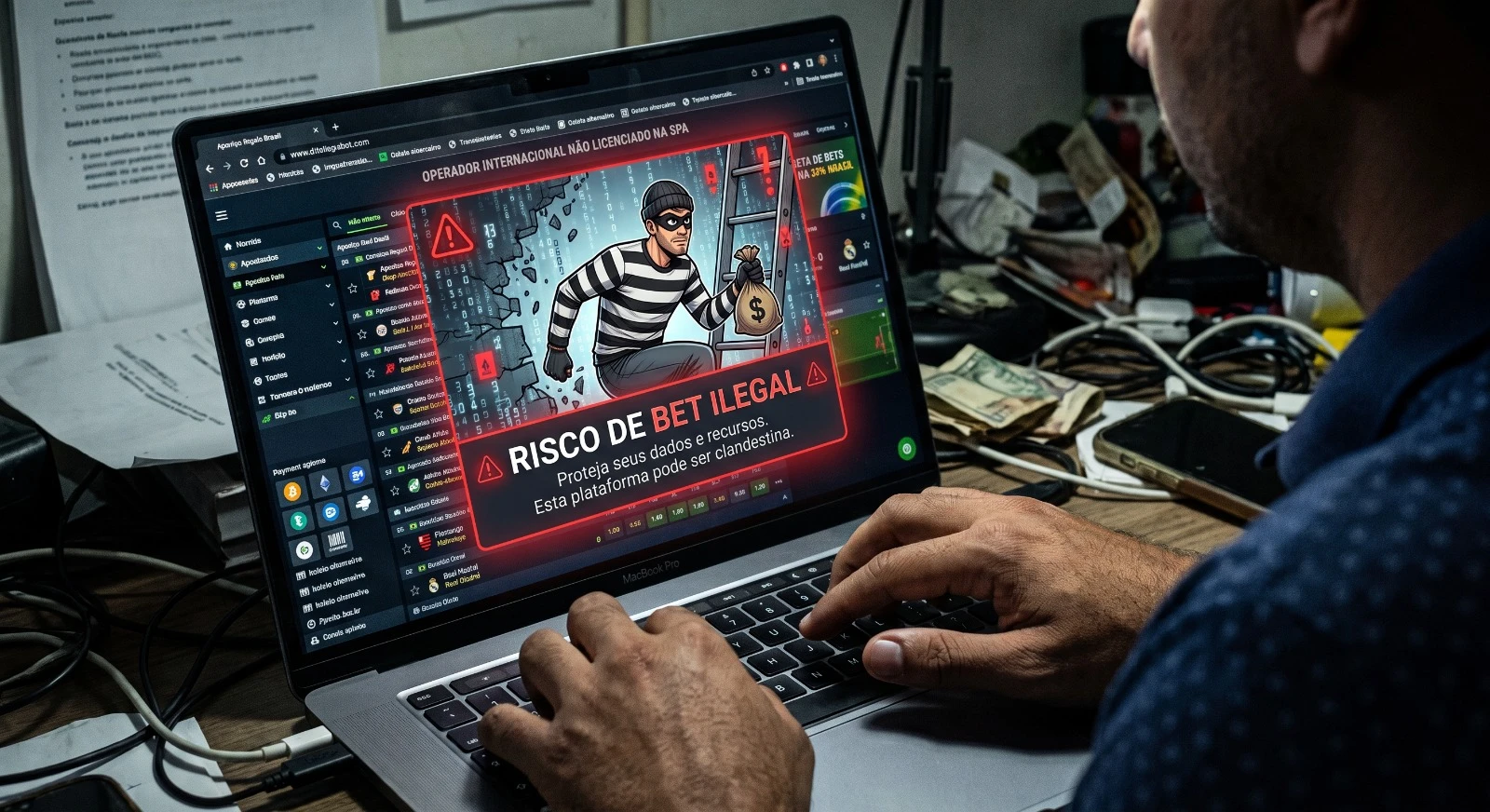
However, Esportes Gaming Brasil warned that fraudulent operators can attempt to exploit consumer trust by imitating legitimate brands through copied names, branding, advertising and social media accounts.
Carol Luna, Head of Compliance at Esportes Gaming Brasil Group, said:
“.bet.br is the first filter, but security does not end with checking the domain. Consumers should look at the entire experience: who operates the brand, how their identity is verified, where payments can come from, which control tools are available and how customer support can be accessed.”
Esportes Gaming Brasil recommends that consumers first check whether the operator is included on the SPA's official list.
Bettors should then ensure they are accessing the platform through verified channels and should be cautious about relying on search results or advertisements to find a betting website.
The group also recommends checking the platform's identity verification requirements, payment methods, responsible gambling tools and customer support arrangements.
Consumers should look for financial and time limits and self-exclusion tools, while promises of guaranteed profits or the recovery of previous losses should be treated as warning signs.
Identity verification is particularly important, according to the group, with authorised operators required to verify bettor information and use authentication measures such as facial recognition with proof of life.
Luna said:
“Verification may initially be perceived as an additional step, but it serves a very practical purpose. It helps prevent underage access, the misuse of another person’s identity, fraud and transactions that are inconsistent with the account holder.”
Esportes Gaming Brasil said these safeguards should continue throughout the entire betting journey.
Consumer protection does not end when an account is successfully registered, with regulated operators required to provide mechanisms that allow bettors to manage their activity and access support.
Financial and time limits, alongside self-exclusion tools, can help consumers maintain control over their gambling.
Payment controls provide another layer of protection, with transactions required to take place between the operator and a bank or payment account held in the bettor's own name.
Luna concluded:
“A regulated market needs to provide consumers with enough information to make informed decisions and recognise their own limits. Safety is not simply about preventing fraud during registration. It is also about ensuring transparency, access to control tools and support for anyone who decides to stop gambling.”